
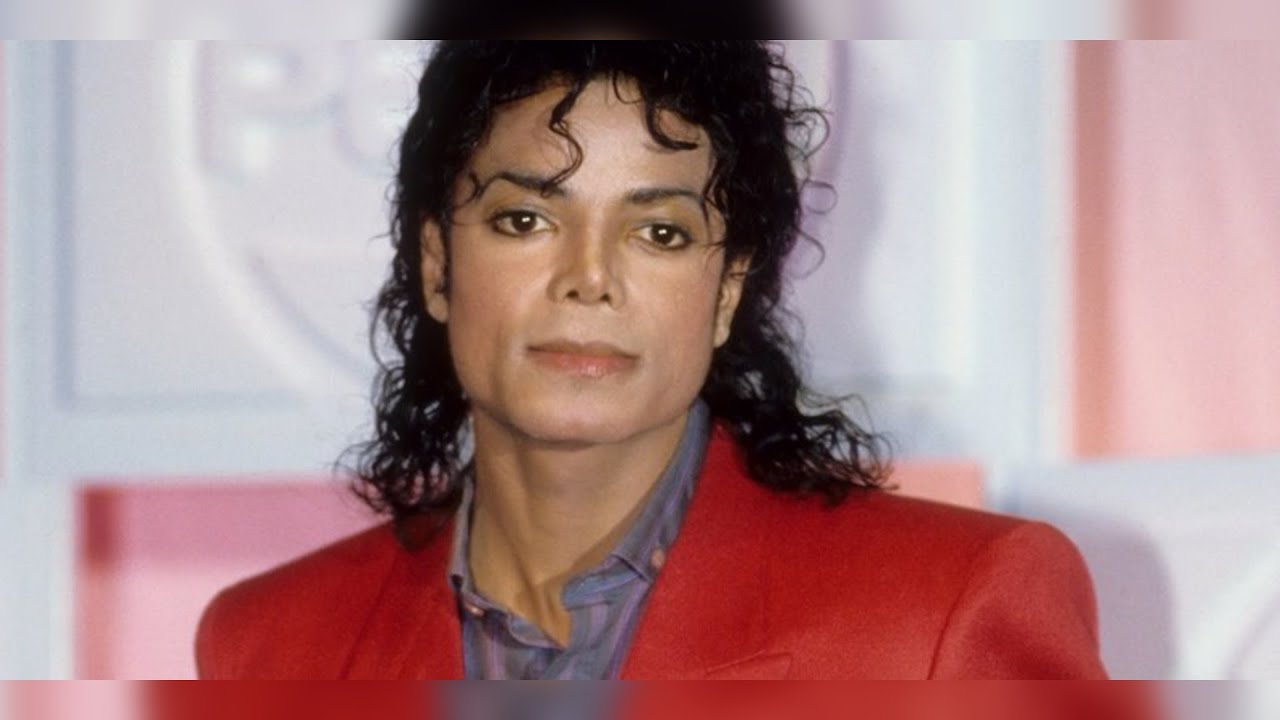
Something unusual has been happening again, and this time it’s not just nostalgia talking. In a music industry that moves fast and forgets even faster, one name has returned to the center of everything without dropping a new song. Michael Jackson is trending across charts, conversations, and timelines like a current-day superstar, and it’s not by accident.
What we’re seeing right now in 2026 is a full-circle moment. A mix of cinema, streaming power, and a legacy that never really faded has pushed his name back into daily conversations, especially among a younger audience that didn’t grow up during his peak years. This isn’t just a comeback story. It’s a reminder of how deep real influence can go.
The Movie That Sparked It All
The biggest push behind this resurgence is the biographical film Michael, directed by Antoine Fuqua. After multiple delays, the movie finally landed in April 2026, and from the first weekend, it was clear this wasn’t going to be a regular biopic release.
The film focuses on his early life, starting from his childhood in Gary, Indiana, through the Jackson 5 era, and into his rise as a solo artist up until the late 1980s. That decision to stop before the controversial years shaped how the story was received. It kept the focus on talent, discipline, and the journey to greatness.
Audiences connected with it immediately. The energy, the performances, and the emotional depth pulled both old fans and new viewers into the story. Instead of feeling like a history lesson, it felt alive. That alone made people go back to the music.
And once people go back to the music, the numbers start moving.
Streaming Numbers That Feel Unreal
Right after the movie release, streaming platforms recorded a massive jump in Michael Jackson’s catalog. Songs that have existed for decades started climbing charts again like they were just released.
Tracks like “Billie Jean,” “Human Nature,” and “Thriller” didn’t just trend; they competed directly with current hits. Weekly streams jumped sharply, and his monthly listeners reached numbers that rival today’s biggest artists.
What makes this more interesting is the audience shift. A large part of this growth is coming from younger listeners discovering his work for the first time. That kind of crossover doesn’t happen often, especially for artists whose peak was decades ago.
This tells you something simple: real music doesn’t expire.
Where It All Started: Family, Discipline, and Pressure
To understand why his legacy keeps returning, you have to look at how it started. Michael Jackson was born in 1958 into a large family where music wasn’t just a hobby, it was a path out.
Under the management of his father, Joe Jackson, the Jackson 5 developed into a disciplined group very early. Rehearsals were intense, expectations were high, and mistakes were not taken lightly. That environment shaped Michael into a performer long before he became a global star.
But it also came with a cost. Over the years, Michael spoke openly about the emotional and physical pressure he faced as a child. That part of his story still plays a big role in how people view him today.
There’s always been a balance between admiration for his talent and reflection on what he went through to achieve it.
From Child Star to Global Icon
By the time he stepped into his solo career, Michael Jackson wasn’t starting fresh, he was already experienced. That gave him an edge most artists never have.
Albums like Off the Wall and Thriller didn’t just succeed; they redefined what success looked like in music. Thriller in particular became the highest-selling album of all time, and its impact is still visible today in how artists approach visuals, performance, and sound.
He wasn’t just making songs. He was creating moments. Music videos became events. Dance moves became global trends. Even fashion choices influenced entire generations.
That level of cultural control is rare, and it’s part of why his name keeps coming back.
The Complicated Side of Fame
It’s impossible to talk about Michael Jackson without addressing the controversies that followed him. From legal battles to public accusations, his later years were filled with intense scrutiny.
Some cases ended in settlements, others in acquittals, but the conversations never fully stopped. Documentaries and media coverage continued to revisit those moments, shaping public opinion in different directions.
At the same time, there were other personal struggles. Health issues, changes in appearance due to vitiligo, and financial challenges all added layers to his story.
This complexity is part of what keeps discussions around him active. He wasn’t a simple figure, and his legacy reflects that.
The Business Behind the Legacy
One of the most surprising parts of his story is what happened after his death. At the time, reports suggested he was dealing with heavy debt. But over the years, his estate has completely turned things around.
Through music rights, licensing, stage productions, and now the biopic, the Michael Jackson estate has generated billions. It consistently ranks among the highest-earning estates globally.
This wasn’t luck. It was built on ownership of valuable music catalogs and smart management decisions after his passing.
Today, his name is not just a musical brand. It’s a business machine that continues to grow.
Why This Comeback Feels Different
There have been moments in the past where Michael Jackson trended again. Anniversaries, documentaries, viral clips. But this one feels different because it’s hitting multiple areas at once.
You have the film bringing emotional storytelling, streaming platforms pushing the music back into daily listening, and social media amplifying everything in real time.
Add to that the curiosity of a new generation, and you get something bigger than nostalgia. You get rediscovery.
His Impact Beyond Music
In places like Nigeria and across Africa, Michael Jackson’s influence has always been strong. Many local artists grew up studying his style, his stage presence, and his ability to connect with audiences.
That influence is showing again as younger creatives revisit his work and incorporate elements into modern sounds and visuals.
It’s a reminder that his reach was never limited to one region. He built a global connection that still holds.