
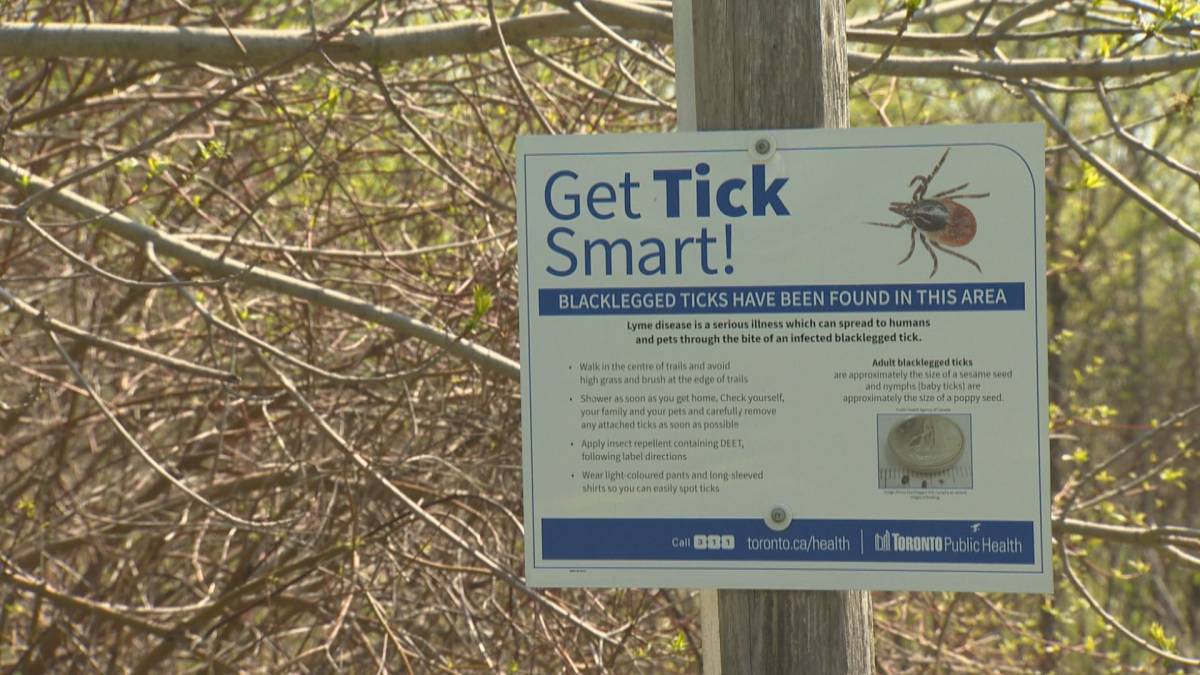
Every year brings its own health concerns, but 2026 is already standing out in a way many people did not expect. Across several regions, health experts are raising early alerts about a noticeable rise in tick activity, with more bites being reported and emergency rooms seeing higher-than-usual cases linked to outdoor exposure. What makes this situation more concerning is how early the season started and how widely ticks are spreading into areas that previously recorded lower activity.
Recent health surveillance reports suggest that tick-related ER visits are reaching some of the highest levels seen in years, especially compared to similar periods since the late 2010s. This has pushed conversations around Lyme disease, Rocky Mountain spotted fever, and other tick-borne illnesses back into public attention. At the same time, social media discussions have increased, with people sharing personal experiences, prevention advice, and concerns about outdoor safety becoming more serious than before.
Why 2026 Is Seeing a Rise in Tick Activity
One of the major reasons behind the growing tick population is climate-related change. Milder winters in several regions have allowed more ticks to survive through seasons that would normally reduce their numbers. When winters are not cold enough to control their lifecycle, more ticks remain active and reproduce earlier in the year.
Another contributing factor is the expansion of wildlife habitats. Deer, rodents, and small mammals that carry ticks are moving closer to residential areas due to urban expansion and environmental changes. This brings ticks into parks, gardens, hiking trails, and even suburban neighborhoods more frequently than before.
Health researchers also point to longer warm seasons, which extend the active feeding period for ticks. Instead of a short seasonal window, ticks now remain active for longer periods in many regions, increasing the chance of human contact during outdoor activities.
Health Risks Linked to Tick Bites in 2026
Tick bites are not always immediately painful, which makes them more dangerous than many people assume. In 2026, several illnesses remain closely linked to tick exposure, with Lyme disease being the most widely discussed.
Lyme disease can begin with mild symptoms such as fatigue, fever, and skin rashes, but if left untreated, it may progress to joint pain, neurological issues, and long-term complications. Early detection is important, but symptoms are not always obvious in the first stage.
Another serious condition is Rocky Mountain spotted fever, which can develop quickly and requires prompt medical attention. Symptoms often include fever, headache, and rash, and delays in treatment can lead to severe complications.
There is also increasing awareness of alpha-gal syndrome, a condition that causes allergic reactions to red meat after a tick bite. Although less common, it has been reported in several regions and continues to gain attention in medical discussions.
Warning Signs and When to Take Action
One of the challenges with tick-related illnesses is that symptoms can appear days or even weeks after a bite. This is why early prevention and monitoring are more important than waiting for symptoms to develop.
Common signs to watch for include unusual fatigue, fever that appears suddenly, unexplained skin rashes, muscle pain, and joint stiffness. A circular rash, often described as a “bull’s-eye” pattern, is especially associated with Lyme disease.
If any of these symptoms appear after outdoor exposure, medical evaluation is recommended as early treatment significantly improves recovery outcomes.
Prevention Tips That Matter in 2026
Health authorities continue to emphasize prevention as the most effective approach. Since ticks are often found in grassy, wooded, or bushy areas, reducing exposure is key.
Wearing long sleeves, long trousers, and closed footwear when outdoors can reduce skin exposure. Light-colored clothing is also helpful because it makes it easier to spot ticks before they attach.
Using approved insect repellents containing DEET or similar active ingredients provides an additional layer of protection, especially in high-risk areas.
After spending time outdoors, a full body check is strongly recommended. Ticks often attach in hidden areas such as behind the knees, underarms, scalp, and waistline. Showering shortly after outdoor activity can also help remove ticks before they attach fully.
Pets should not be ignored in this process. Dogs and cats that spend time outside can carry ticks into homes, so regular inspection and preventive treatments recommended by veterinarians are important.
Why Awareness Is Increasing on Social Platforms
In 2026, discussions about tick bites have become more visible on social media platforms. Many users share experiences of unexpected bites after simple outdoor activities like hiking, gardening, or even walking pets. These discussions often highlight surprise and concern, especially when symptoms appear later.
This increased visibility has helped raise awareness but has also led to confusion in some cases where misinformation spreads quickly. That is why relying on verified health sources and medical guidance is important when understanding risks and prevention methods.
Regional Differences and Risk Levels
Tick activity is not evenly distributed across all regions. Areas with more vegetation, wildlife presence, and humid conditions tend to experience higher risk levels. Rural and suburban environments are generally more affected than dense urban centers, although urban parks are not completely risk-free.
Travel also plays a role. People moving between regions for work, tourism, or education may unknowingly carry exposure risks from one area to another, making awareness even more important in 2026.
Final Thoughts
The 2026 tick season highlights how environmental changes, wildlife movement, and climate patterns can directly affect public health in everyday life. While the increase in tick activity is concerning, it is also manageable with consistent awareness and preventive habits.
Understanding how ticks behave, recognizing early symptoms, and applying basic outdoor safety measures can significantly reduce the risk of infection. The goal is not fear, but preparation and informed action, especially as outdoor activities remain a major part of daily life for many people.