
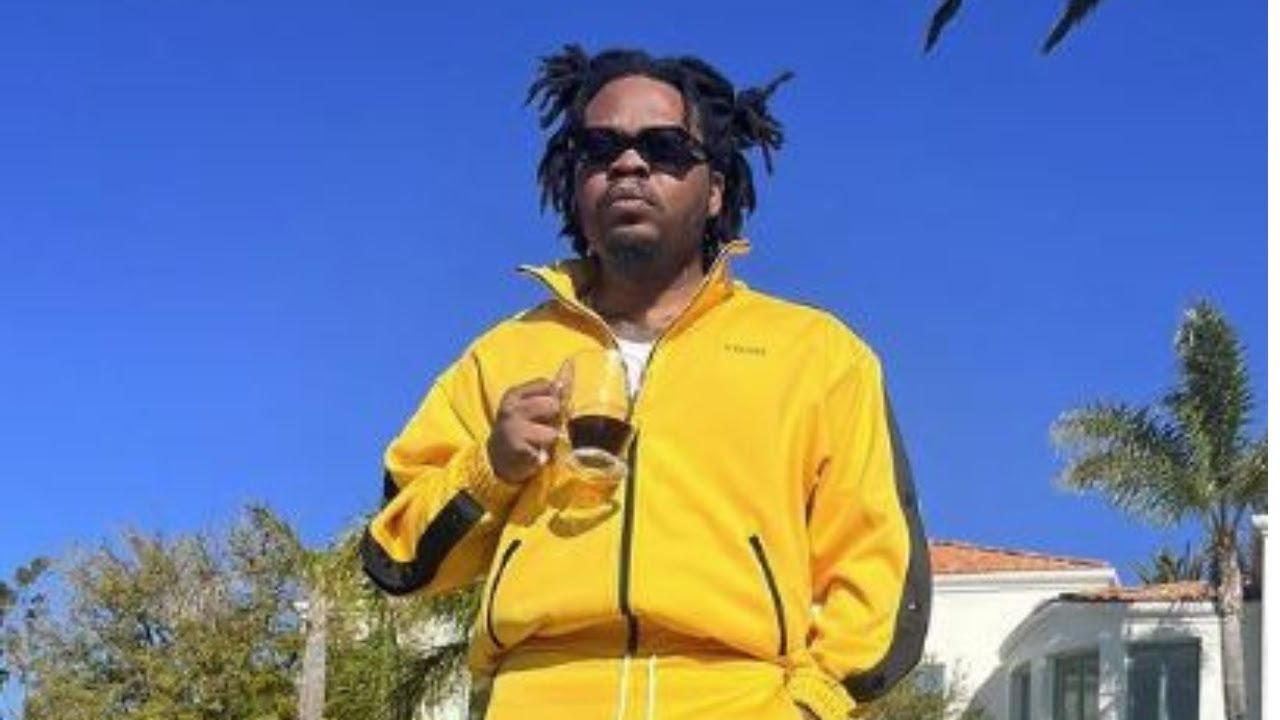
In today’s music industry, success is no longer just about talent alone. It often comes down to consistency, strong creative direction, and the ability to stay relevant while the sound of the world keeps changing. In Afrobeats especially, artists who grow into long-term relevance are usually those who understand both the street audience and the global stage. One of the clearest examples of this balance is Olamide Gbenga Adedeji, widely known as Olamide or Baddo.
Over the years, he has built a career that goes beyond just releasing songs. He has shaped careers, influenced sound direction in Nigerian music, and built one of the most respected independent labels in Africa. His journey from Lagos street music to international recognition continues to stand out in 2026 as one of the strongest stories in modern Afrobeats history.
Early Life and the Bariga Foundation That Shaped His Sound
Olamide was born on March 15, 1989, in Bariga, Lagos State, a densely populated area known for its raw street culture and strong creative energy. Growing up in a modest household, he experienced financial limitations early in life, something that later became part of the emotional foundation behind his music.
He studied Mass Communication at Tai Solarin University of Education but eventually dropped out due to financial challenges. That decision pushed him deeper into music, where he began expressing real-life experiences through rap in Yoruba, English, and Nigerian Pidgin.
Bariga was not just a background for him; it became part of his identity. The environment influenced his storytelling style, which focused on hustle, survival, ambition, and street reality. These themes became the core of his early sound and later defined his brand in the Nigerian music space.
Breakthrough Moment and Rise to Mainstream Fame
Olamide officially broke into the mainstream in 2010 with the release of “Eni Duro,” a track that immediately positioned him as one of the most promising young voices in Nigerian hip-hop. His early sound was heavily rooted in rap, but what made him different was his ability to blend Yoruba expression with modern hip-hop flows.
His debut album Rapsodi (2011) further strengthened his presence, but the real turning point came when he started consistently dropping street anthems that connected deeply with everyday listeners. Songs like “Omo To Shan” and several early collaborations helped him build a loyal fan base.
As his influence grew, Olamide founded YBNL Nation (Yahoo Boy No Laptop), an independent label that later became one of the most impactful music platforms in Nigeria. Through YBNL, he introduced and developed major stars such as Fireboy DML, Asake, Lil Kesh, Adekunle Gold, and others. This move positioned him not only as an artist but also as a major industry builder.
Olamide’s 2025–2026 Era: Streaming Dominance and Global Recognition
In recent years, Olamide has experienced another strong wave of relevance, especially with his self-titled album Olamidé released in 2025. The project marked a refined phase in his sound, mixing street energy with more global Afrobeats and Amapiano influences.
The album reportedly performed strongly across streaming platforms like Spotify and Apple Music, with multiple tracks charting simultaneously. Collaborations on the project included major industry names such as Wizkid, Seyi Vibez, and Asake, showing his continued ability to connect across different generations of artists.
By 2026, Olamide remained active in the music scene through features and collaborations. Songs such as “Formation” with Adekunle Gold, “Ara (600M)” with Bella Shmurda, and “Zion” with Teni kept him visible across charts and playlists. These releases reinforced his position as an artist who can still dominate both street and mainstream sounds.
Live performances also played a big role in this era, with major shows in Lagos and international appearances, including UK headline events that attracted large audiences. His consistency in performance and releases helped maintain strong engagement across his fan base.
Business Moves, Net Worth, and YBNL Influence
Beyond music, Olamide’s business structure through YBNL Nation remains one of his strongest achievements. The label operates with a model that focuses on discovering raw talent, developing sound identity, and giving artists independence after growth.
His financial status is often estimated differently depending on sources, but most credible projections place his net worth in the multi-million-dollar range, supported by music streaming revenue, performances, endorsements, and business investments.
Over the years, he has reportedly been associated with brands such as Cîroc, Coca-Cola, and other major endorsement deals in Nigeria. However, unlike many celebrities, he maintains a relatively private lifestyle, focusing more on building systems rather than public luxury display.
His investment in new artists in recent years has also been widely discussed. Reports suggest he has committed significant resources toward developing upcoming talents, especially outside Lagos, strengthening his image as a long-term industry contributor rather than just a hitmaker.
Controversies and Label Discussions
Like many long-standing record label owners, Olamide’s career has included discussions around YBNL exits and artist relationships. Former signees such as Lil Kesh, Lyta, and Temmie Ovwasa have at different times spoken about their experiences with the label.
While some situations generated public debate, Olamide has generally maintained a calm and strategic response style, often focusing on growth and forward movement rather than public conflict. Over time, several relationships within the YBNL ecosystem have been repaired or softened, showing a level of maturity in handling industry pressure.
Despite occasional controversy, none of these issues have significantly affected his overall career stability or public image.
Legacy and Cultural Impact in Afrobeats
Olamide’s influence goes beyond music charts. He is widely regarded as one of the pioneers who helped normalize Yoruba rap and street-influenced Afrobeats in mainstream Nigerian music.
His ability to adapt over more than a decade without losing relevance is one of his strongest traits. From hardcore rap beginnings to melodic Afrobeats and Amapiano fusion, he has consistently evolved with the sound of the time.
More importantly, his role in building artists like Fireboy DML and Asake has cemented his legacy as a cultural architect in modern Afrobeats. Many industry observers often describe YBNL as one of the most successful independent labels in Nigeria’s music history.