
In 2026, the internet didn’t just watch aviation news, it actively tried to reshape it. When Spirit Airlines collapsed into financial shutdown and liquidation pressure, a surprising wave of digital energy followed. What started as frustration over airline pricing and service quickly transformed into something much louder: a viral proposal to collectively buy and revive the airline as a “people-owned” project.
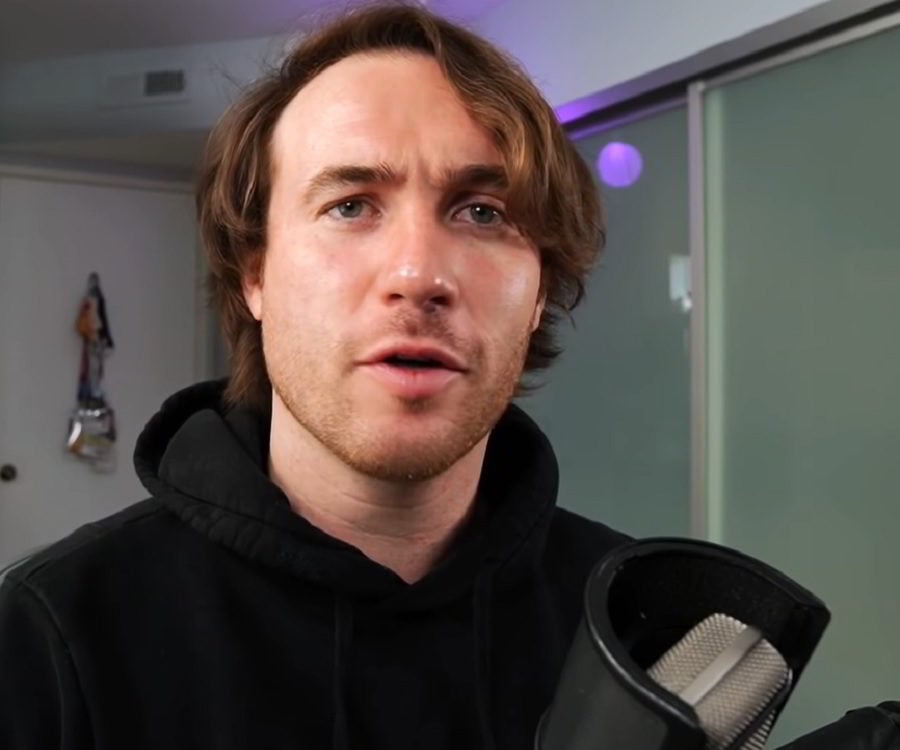
At the center of this movement is Hunter Peterson, a Swedish-American voice actor, filmmaker, and content creator whose lifelong obsession with aviation turned into one of the most unusual crowdfunding ideas the internet has seen in recent years. His proposal, widely known as “Spirit 2.0,” spread rapidly across TikTok, Instagram, and X, pulling in massive attention, millions of impressions, and millions of dollars in non-binding pledges.
This article breaks down his background, the Spirit 2.0 movement, how it works, and why it became such a viral case study in modern internet-driven finance and community ownership ideas.
Who is Hunter Peterson?
Hunter Peterson is best known as a voice actor, digital creator, and filmmaker who built a career across animation projects, gaming voice roles, and YouTube storytelling channels. Before the aviation wave, he had already worked in multiple creative spaces including narration work for online series and roles in gaming titles such as fantasy and sci-fi projects.
He studied film production at the University of Southern California (USC), a decision that shaped his storytelling style rather than a traditional business path. Over the years, he built experience in content production, including time linked to major creator ecosystems and independent digital studios.
What stands out most in his personal story is his long-term fascination with airplanes. From a young age, he has openly described aviation as more than interest, framing it as a lifelong direction rather than a casual hobby.
Early Life and Personal Background
Peterson was born in the early 1990s in the United States, with early life often linked to the San Diego and Encinitas region in California. He grew up in a family where his father served as a reverend. His father passed away when Peterson was still a child, an event he has referenced as a major emotional moment in his upbringing.
He has also spoken about neurodivergent traits in a personal way, describing himself as “kind of autistic,” which he connects to his deep focus on systems, aviation, and long-term interests.
Unlike many internet personalities, his early narrative is not built around luxury or celebrity lifestyle but around creativity, curiosity, and structured obsession with flight systems and aviation history.
Career Path: From Voice Acting to Viral Creator
Before the Spirit 2.0 movement, Hunter Peterson built a stable creative career in voice acting and online media production.
His work includes:
- Voice roles in gaming and animated projects
- Narration for online storytelling channels
- Production work in creator-driven media spaces
- YouTube content collaborations focused on science fiction and storytelling themes
He also gained experience in the creator economy ecosystem, including production involvement in philanthropic media projects connected to large-scale content creators.
One of his early viral moments came from an aviation-themed content experiment where he documented extended flight experiences, which helped establish his identity as someone deeply committed to aviation storytelling rather than casual commentary.
The Spirit 2.0 Crowdfunding Idea Explained
The “Spirit 2.0” concept emerged after financial instability and shutdown reports involving Spirit Airlines, a low-cost carrier widely known for budget travel across the United States.
The idea proposed by Hunter Peterson was simple in concept but complex in execution:
- Crowdsource public interest and pledges
- Attempt a collective acquisition or partial purchase of Spirit Airlines assets
- Rebuild the airline under a community ownership model
- Introduce fan-influenced governance structure
The model was loosely inspired by cooperative ownership systems, where stakeholders share influence rather than relying entirely on private equity control.
A dedicated website reportedly gathered tens of thousands of supporters within days, with non-binding pledges circulating widely across social platforms. However, these pledges represent expressions of interest rather than actual collected funds.
Why the Movement Went Viral
The Spirit 2.0 campaign exploded for a few key reasons:
1. Timing
The idea appeared during a moment of frustration with airline pricing, delays, and service complaints, making the proposal emotionally relatable to frequent travelers.
2. Internet Culture
TikTok and short-form content turned the campaign into memes, reactions, and community jokes that still carried real engagement behind them.
3. David vs System Narrative
Many users framed it as a “people versus corporations” story, even if symbolic.
4. Personality-Driven Storytelling
Hunter Peterson presented the idea not as a corporate pitch but as a personal mission, which made it feel more like a movement than a startup pitch.
Real-World Challenges Behind the Idea
Despite its viral success, the Spirit 2.0 proposal faces significant structural limitations.
Airline acquisitions require:
- Large verified capital reserves
- Regulatory aviation approval
- Fleet leasing agreements
- Debt restructuring negotiations
- Operational certification from aviation authorities
Even if community interest is high, converting online enthusiasm into structured financial backing is significantly more complex.
Experts in aviation finance have noted that while community ownership is possible in theory, airline operations require extremely high capital stability and long-term institutional funding.
Net Worth, Money, and Business Reality
There is no publicly verified net worth for Hunter Peterson tied to this campaign specifically.
Before the viral movement, his income likely came from:
- Voice acting roles
- Content creation revenue
- Production-related freelance work
The Spirit 2.0 movement has increased his visibility dramatically, which could open future opportunities in media, consulting, or entertainment partnerships. However, no confirmed financial outcomes or sponsorship deals have been officially documented.
Public Perception and Controversy
The campaign has received mixed reactions:
Supporters view it as:
- A creative attempt to democratize aviation ownership
- A symbolic response to airline dissatisfaction
- A bold experiment in internet-powered coordination
Skeptics argue:
- The financial target is unrealistic
- Airline operations cannot function on viral interest alone
- Pledges do not equal funding
Despite criticism, there has been no major scandal or legal controversy tied to the creator. The discussions remain focused on feasibility rather than misconduct.
Frequently Asked Questions (FAQ)
Is Spirit 2.0 a real airline purchase right now?
No. It is a crowdfunding-based proposal and not a completed acquisition.
Is Hunter Peterson a billionaire or airline owner?
No verified reports confirm ownership or billionaire status.
Are the pledges actual payments?
Most reported figures represent non-binding expressions of interest, not collected funds.
Why did the idea go viral?
It combined frustration with airlines, internet meme culture, and a relatable creator-led narrative.
Conclusion
The story of Hunter Peterson and the Spirit 2.0 movement sits at the intersection of internet culture, financial reality, and modern storytelling. Whether it evolves into a real aviation experiment or remains a viral case study, it already highlights how quickly digital communities can rally around ambitious ideas.
In a time where audiences are no longer passive consumers but active participants, the Spirit 2.0 movement shows how far online influence can stretch, even into industries as complex as aviation.